
🔥Hot Games
View All







Advertisement
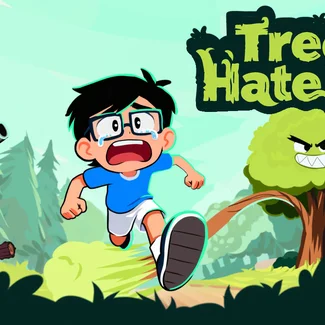
Trees Hate You
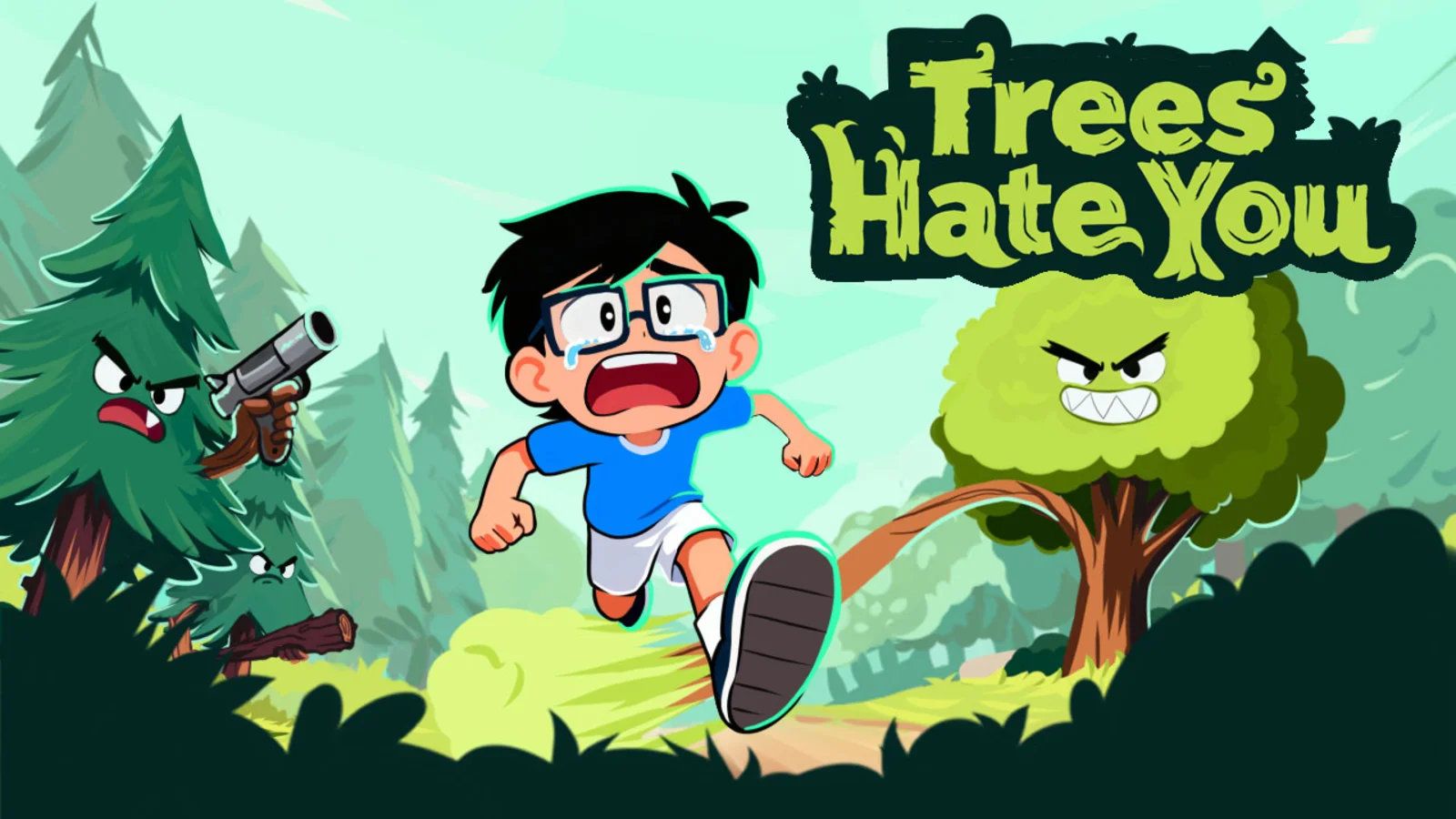
Trees Hate You makes the forest itself the enemy. You guide a picnic hiker toward home while branches, signs, gaps, and harmless-looking paths betray expectations in short rage-comedy platforming attempts.
What Is Trees Hate You?
Trees Hate You is a short rage-comedy platformer about an ordinary hiker whose peaceful route home becomes a hostile forest gauntlet. The references agree on the central joke: the level does not merely contain traps, it behaves like it is actively trying to embarrass you. Trees can spring attacks, quiet paths hide thorns, visual hints can be lies, and the safest-looking route often creates the next failure. The game works because the controls stay simple while the environment keeps rewriting the rules. You move, jump, observe, fail, and use each mistake as information for the next attempt. It is closer to a puzzle of mistrust than a pure reflex test. Fast reactions help, but the bigger skill is learning when the scene is baiting you into a careless move. That makes each restart feel like a joke with a lesson attached: the forest punished you, but it also showed exactly what it wants you to notice next. Compared with a standard platformer, Trees Hate You puts more weight on expectation management. You are not memorizing long enemy routes or collecting upgrades; you are reading small environmental cues and deciding which ones deserve suspicion. The result is compact, funny, and deliberately unfair in a way that suits speedrunners, streamers, and patient players who enjoy discovering the trick behind each screen.
Strategy Guide: Survive The Forest's Jokes
Start by treating every new screen as a trap diagram rather than a normal path. From our testing, the safest first attempt is rarely the fastest one. Walk just far enough to trigger the obvious danger, watch how the tree or hazard moves, and restart with a specific plan instead of trying to improvise through the whole section.
Do not trust signs, open gaps, or empty ground just because they look familiar from other platform games. The references describe a forest that uses misdirection as its main mechanic, so visual comfort is often the warning. If a route looks too clean, approach it slowly, test the edge, and be ready for a delayed spike, falling object, or sudden tree attack.
Keep jumps low until the stage proves that height is safe. Panic jumps create wide arcs, and wide arcs give hidden hazards more time to punish you. A short hop or a tiny step forward often reveals the trigger without committing your whole run. This is especially useful around thorn patches and narrow passages where the wrong launch angle sends you directly into the next surprise.
Use deaths as mapping data. The game is designed around trial-and-error humor, so a failed attempt is not wasted if you name the trigger before restarting. Was the problem the branch timing, the false floor, the suspicious sign, or the space after the landing? Once you can label the trick, you can isolate it and stop treating the entire scene as random.
When a section becomes frustrating, slow down the input rhythm. Rage games tempt players into mashing through the same mistake, but Trees Hate You rewards calm repetition. Recreate the opening movement exactly, change only one decision, and compare the result. That one-variable approach makes the forest's pattern easier to decode and keeps the joke from turning into blind guessing.
Trees Hate You Highlights
Hostile Forest Personality
Trees are not passive scenery. Branches, paths, and environmental objects behave like active antagonists, so the stage feels as if it is watching for your next careless step.
Misdirection Over Raw Speed
The challenge is built around false confidence. Signs, gaps, and ordinary-looking ground can lead directly into trouble, making observation more important than simply moving fast.
Short Restart Loop
Failures arrive quickly and teach a specific lesson. That compact loop keeps the rage-comedy rhythm sharp because every restart gives you one more piece of the route.
Simple Controls, Suspicious Design
Movement is easy to understand, but the level design turns small decisions into traps. The real skill is deciding which safe-looking detail should not be trusted.
Streamable Rage-Comedy Moments
The game is built for reactions: surprise traps, obvious mistakes, and sudden betrayals from the scenery. Those moments make the challenge funny even when the forest wins.
Trees Hate You FAQ
Why do the traps feel unfair at first?
The forest is designed to subvert normal platformer habits. A route that looks safe may only be safe until you trigger the hidden joke, so early failures are part of learning the stage language.
What should I watch after each failed attempt?
Focus on the exact trigger. Notice whether the danger came from a tree movement, a delayed hazard, a false floor, or a misleading sign, then adjust only that decision on the next run.
Are the trees only scenery?
No. The main joke is that the forest behaves like an enemy system. Trees and surrounding objects can attack, mislead, or reshape the route when you assume they are harmless.
Why is patience better than speed?
Speed helps only after you know the trick. Before that, rushing usually triggers several hazards at once, while careful movement gives you time to identify the next setup.
Does memorization remove the challenge?
It reduces the surprise, but it does not erase the timing. Once you remember the bait, you still need clean movement, controlled jumps, and enough discipline not to repeat the panic response.