
🔥Hot Games
View All












Advertisement
Playground Man! Ragdoll Show!
Playground Man! Ragdoll Show! turns every stage into a small crash lab. You place a wooden ragdoll, drag props into position, and watch cars, weights, walls, and moving hazards combine into oddly satisfying chain reactions.
What Is Playground Man! Ragdoll Show!?
Playground Man! Ragdoll Show! is a physics puzzle game built around destruction, but it is less about fast reactions and more about understanding how objects interact. Each level gives you a ragdoll, a dangerous room, and a handful of tools that can push, crush, swing, launch, or redirect the dummy toward the objective. Some stages are obvious crash tests with cars or dropping weights. Others feel like miniature sandbox puzzles where the best answer comes from experimenting with angles, momentum, and trigger order until the entire room works for you. That balance is what makes the game stick. The ragdoll motion is floppy enough to create funny failures, yet consistent enough that repeated testing teaches you something. A car hit, a staircase tumble, and a bounce off a wall all produce different kinds of movement, so the same idea rarely solves every stage. Several references also point to score chasing, level progression, and cloud-save support, which gives the game more structure than a simple toybox. If you enjoy levels that reward curiosity, replay value, and a bit of controlled chaos, this is one of the better stickman physics playgrounds to spend time with.
Strategy Guide: Build Better Chain Reactions
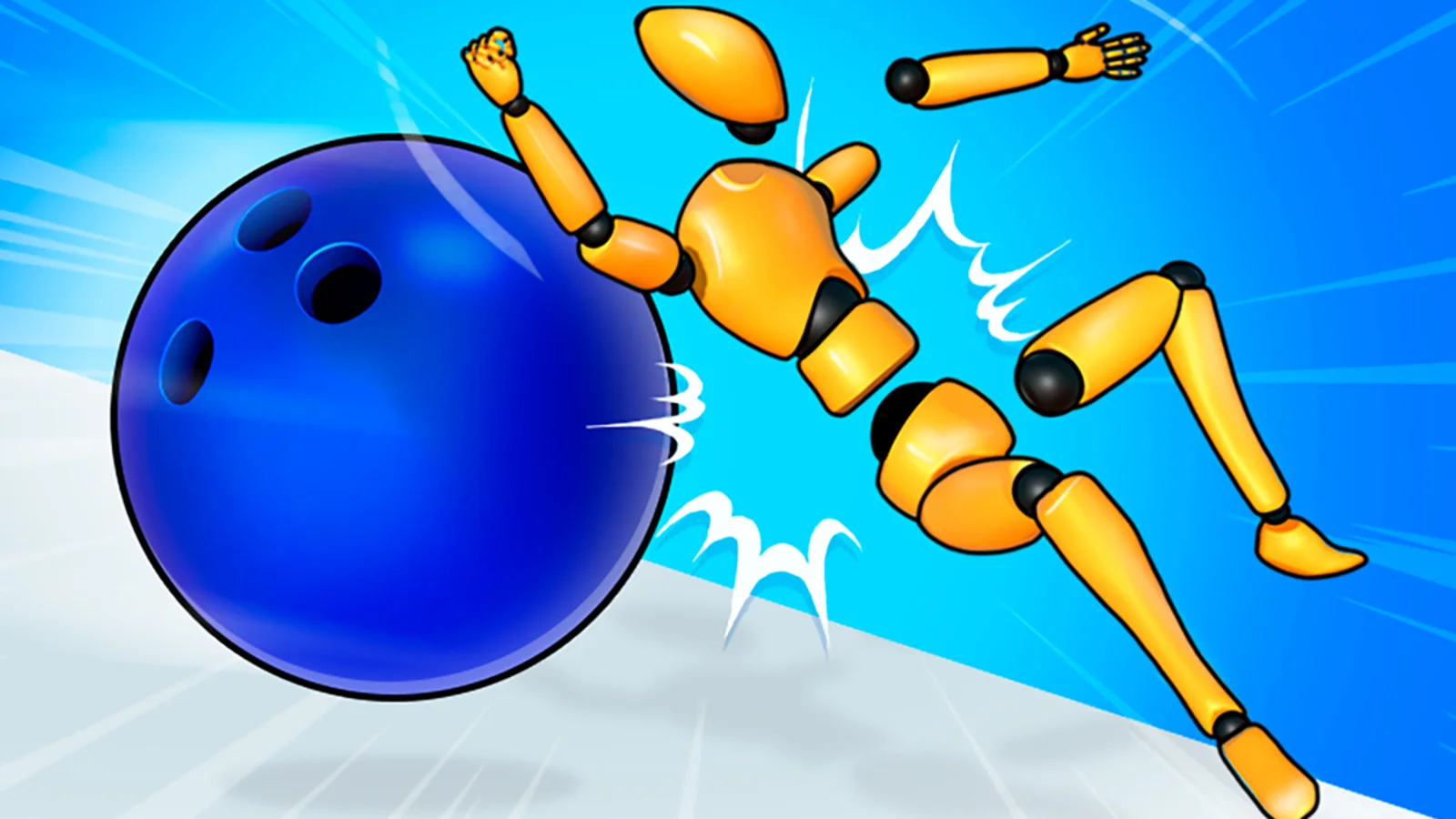
Start by reading the room before you touch anything. From our testing with repeated short runs, the fastest clears came from identifying the main damage source first, then asking what setup is needed to feed the ragdoll into it. In some levels the answer is obvious, like dropping a heavy object straight down. In others, the real solution is to create a sequence where one impact nudges the dummy into a second trap that finishes the objective.
Use shallow adjustments before committing to extreme launches. Dragging the ragdoll a little farther left or right often changes the collision path more than adding raw force. Small corrections are especially useful in stages with stairs, ramps, or wall rebounds, because one clean initial angle can produce several follow-up hits without extra input. If a plan almost works, keep refining the first contact instead of rebuilding the whole attempt.
Treat moving hazards like timers. Cars, swinging objects, and rotating traps are easiest when you stop thinking about them as random chaos and start matching your release to their cycle. Wait for the moment when the hazard will carry the ragdoll toward the next obstacle, not merely hit it once. A weaker hit that preserves momentum for a second collision is usually stronger than a big early crash that throws the dummy away from the puzzle route.
Look for multi-target solutions when extra stickmen appear. The game becomes more strategic when one object can hit two bodies or when one launched ragdoll can trigger a trap that affects another. In those stages, center your setup on the shared hazard first. Solving two problems with one drop or one shove is more reliable than trying to manage each dummy separately.
Finally, use failed attempts as scouting runs. The screen shake and particle bursts make every impact feel dramatic, but the useful information is where the body slows down, where it sticks, and which surface preserves bounce. Once you notice those friction points, later levels stop feeling random and start reading like compact physics diagrams with several valid answers.
Playground Man! Ragdoll Show! Highlights
Physics Rooms With Clear Personalities
One stage may revolve around falling gym weights, while the next uses traffic, slopes, or floating frames. The puzzle logic changes enough that you keep rethinking how momentum should be created and preserved.
Flexible Chain-Reaction Solutions
The game rarely forces a single strict answer. A direct hit, a rebound off a wall, or a delayed secondary collision can all solve the same room if your setup is clean enough.
Readable Ragdoll Feedback
Impacts look chaotic, but the body behavior is readable. After a few attempts you can tell which surfaces absorb speed, which ramps extend airtime, and which hazards are best for finishing damage.
Short Levels, Fast Retries
Stages are compact and restarts come quickly, so experimentation never feels expensive. That structure makes the game strong in short sessions and still satisfying when you want to optimize clears.
Progress Systems Beyond Single Rooms
Reference material points to level unlocks, leaderboards, and save support, giving your testing a longer arc. You are not just watching funny crashes; you are improving routes and pushing for cleaner results.
Playground Man! Ragdoll Show! FAQ
What usually matters more, a big hit or multiple smaller collisions?
Multiple linked collisions are often stronger because they keep the ragdoll moving through the level. A huge first hit can look dramatic but still fail if it throws the body away from the main hazard path.
How should I handle levels with moving cars or swinging hazards?
Watch one full cycle before acting. Once you know the rhythm, release the ragdoll so the hazard carries it toward the next trap instead of spending all its force in a single impact.
Do multi-stickman stages need two separate solutions?
Not always. Many of those rooms are easier when you find the shared trigger point, such as a falling object or rolling obstacle that can hit both targets in sequence.
Is there a reason to replay cleared stages?
Yes. Several source references mention score chasing and leaderboards, so replaying helps you refine cleaner trajectories, faster clears, and more efficient chain reactions.
Does the game keep progress between sessions?
Reference material points to cloud-save support on some versions of the game. If you return on the same supported platform, your unlocked progress and leaderboard data should carry over.